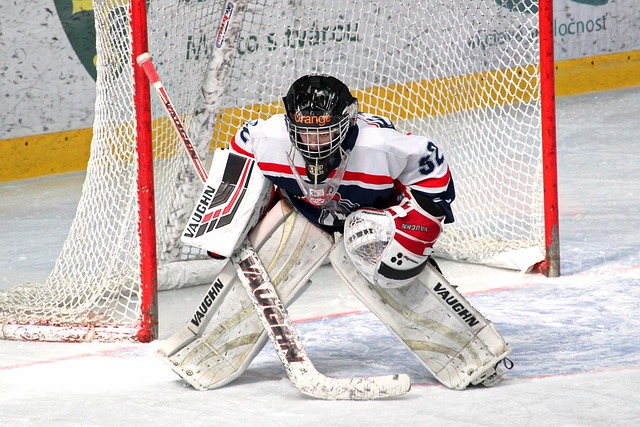
Quick posture check
Use these cues at the boards before you push off. They help most beginners feel stable and avoid stiff, upright skating.
- Soft knees and hips: sit slightly, do not lock legs.
- Chest over knees: balanced, not leaning back.
- Feet hip-width: blades flat before you find edges.
- Arms relaxed in front: ready to catch balance.
Beginner guide to skating for hockey
A foundation-first approach: balance, edges, then speed and transitions.
Hockey skating is not about sprinting first. It is about control: staying balanced while your blades change direction, speed, and pressure. Beginners often improve fastest when they focus on a stable stance and predictable movements that keep the blade flat before exploring edges. That means learning how to bend knees, keep the chest slightly forward, and shift weight smoothly from one skate to the other without twisting the shoulders.
From there, edges become the key skill. Your inside edges help you turn and hold a curve, while your outside edges support strong pushes and stable glides. When you learn to feel where the blade grips, stopping becomes less intimidating because you understand how pressure and angle create controlled friction. CloverDaily guides you through small steps you can repeat at the boards, on a quiet corner of the rink, or during a coach-led practice.
For families, the goal is confidence and safety. We explain common beginner mistakes like standing too tall, leaning back, or pushing straight behind. With simple cues and short practice plans, you can build habits that transfer directly into hockey skills such as starts, tight turns, and quick changes of direction.
Core skills to practise
Four areas that build most beginner skating progress.
Stance and balance
Learn to bend knees and stay centred over the blades. Balance improves when shoulders stay quiet and your head looks forward, not down at the ice.
- Two-foot glide with soft knees
- Weight shift side to side
Edges and turns
Turning is a controlled lean, not a twist. Practise gentle curves first so you learn how the inside edge holds while the outside skate supports.
- Large circles with relaxed shoulders
- Half-moons along the boards
Stopping safely
Stops are about angle and pressure. Start with gentle snowplough stops, then progress toward a hockey stop when you feel comfortable on edges.
- Snowplough stop to a full reset
- One-side stop practice at low speed
Transitions
Switching direction is a hockey staple. Begin with slow pivots and controlled steps so your upper body stays stable while feet move underneath.
- Two-step forward to backward pivot
- Backward glide with knees bent
A simple 4-step session plan
Use this structure to keep sessions focused and beginner-friendly, especially during busy public skates.
Consistency matters more than intensity. Track one cue per session, and finish while you still feel in control.
-
1
Warm-up and mobility (5 minutes)
Start off-ice with ankles, knees, hips, and shoulders. On the ice, do gentle glides and slow circles to wake up balance before higher effort.
-
2
One technique focus (10 minutes)
Pick one skill, such as knee bend, weight shift, or a gentle stop. Keep speed low and repeat the same movement pattern with pauses to reset posture.
-
3
Add a small challenge (5 to 10 minutes)
Introduce a gentle variation: a slightly tighter turn, a longer glide, or a controlled stop near a line. The goal is control, not speed.
-
4
Cool down and notes (2 minutes)
Finish with relaxed glides and light stretching. Note one cue that worked and one thing to try next time. This keeps progress measurable and calm.
Rink safety and etiquette
Practise in a safe space, follow rink direction, and keep awareness of other skaters. If you are learning stops, start at low speed and leave extra room.
FAQ
Common questions about learning to skate for hockey.
How tight should my skates be?
What is the best way to learn stopping?
Is it normal to feel unstable when turning?
Should beginners practise backwards skating early?
Safety note
This page provides educational guidance for beginner skating and hockey learning. It does not replace instruction from qualified coaches or safety advice from rink staff. Always follow rink rules, practise in a safe space, and use protective equipment suited to your activity. If you experience pain, dizziness, or an injury, stop and seek advice from a qualified healthcare professional.
Beginner priorities
- Helmet fitted correctly for any hockey practice.
- Practise stops before adding speed.
- Use short sessions and take breaks.
- Stay aware of others on the ice.