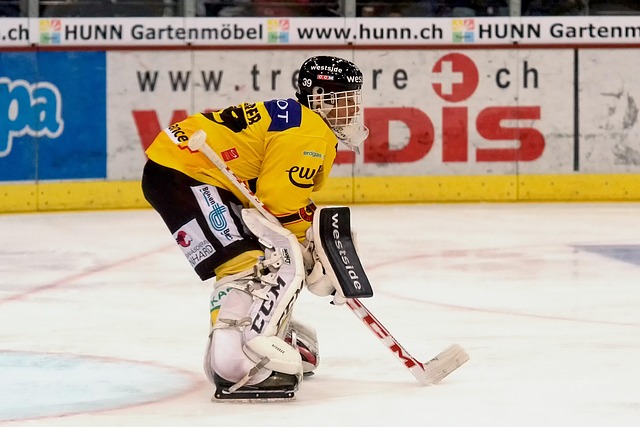
First month milestones (realistic and safe)
Use these checkpoints to track learning without pressure. Progress varies, especially for first-time skaters, but steady repetition is a strong approach.
- Stand and glide with stable knee bend for short distances.
- Stop safely using a basic snowplough or gentle hockey stop progression.
- Carry the puck in front while keeping eyes up part of the time.
- Make short passes on the forehand and receive with soft hands.
Core concepts
A clear foundation that supports learning on the ice and in simple games.
1) The rink and the flow of play
New players often improve quickly once the rink layout makes sense. Focus on the three zones (defensive, neutral, offensive), the blue lines that shape offside decisions, and the goal line that affects icing calls. You do not need to memorise every rule to start; instead, learn the most common stoppages and how to reset calmly after a whistle. When you understand where to line up for face-offs, how to change safely, and where the puck usually moves during beginner play, your attention can stay on skating form and safe spacing.
A helpful beginner habit is to keep a “heads up, sticks down” approach: look for open ice, keep your stick on the surface for receiving passes, and avoid reaching through skates. This supports control and reduces avoidable contact.
2) Positions, simple responsibilities, and teamwork
Positions are best understood as shared responsibilities rather than fixed spots. Defenders prioritise protecting the middle of the ice and supporting breakouts. Wingers often provide outlets along the boards and help keep the play moving forward. Centres commonly support both ends, offering passing options and helping with coverage in the slot area. At beginner level, the most important teamwork skills are communication, safe body positioning, and knowing when to change.
If you play with youth groups, keep instructions simple: “support the puck,” “give a passing option,” and “return to the middle when the puck moves away.” These cues help players stay connected as a unit.
3) Skill priorities for early development
For new players, skating is the base that supports everything. Pair skating fundamentals with puck skills that are easy to practise: forehand carry with soft hands, simple passing with weight transfer, and receiving the puck with a relaxed blade. Shooting can be introduced with safe technique cues, but it should not replace the basics of balance, turning, and stopping. Keep sessions short and repeat the same movement pattern across multiple practices so the body has time to learn.
Our drills section includes beginner routines designed for limited ice time and small spaces. For equipment questions, visit the gear guides to learn how fit and comfort affect learning.
Starter learning paths
Choose a path based on what you can practice this week.
Path A: Skating first
Ideal for brand-new skaters. Build stance, glide, safe stops, and turning confidence before adding more puck handling on the move. Suitable for families at public skate sessions.
- Session goal: balance and control
- Focus: knee bend, edges, safe stops
Path B: Hockey essentials
For skaters who can move comfortably. Learn simple rules, safe stick habits, and basic passing while keeping sessions friendly and controlled.
- Session goal: puck confidence
- Focus: passing lanes, receiving, spacing
Path C: Equipment and safety
Reduce discomfort and distraction by learning fit and care basics. This path supports parents, new adult players, and anyone renting or buying gear for the first time.
- Session goal: comfort and protection
- Focus: helmet, skates, padding, care routines
How to build a safe 30-minute beginner session
A simple structure helps beginners stay consistent. Start with 5 minutes of warm-up (walking patterns, gentle knee bends, shoulder mobility). On-ice, spend 10 minutes on one skating skill, such as glide to stop. Then spend 10 minutes on a puck skill, such as stationary passing or controlled carry. Finish with 5 minutes of easy skating and calm cool-down. Keep spacing wide, avoid high-speed traffic, and prioritise safe stopping and awareness.
Beginner safety cues
- Skate with eyes forward, not down.
- Keep the stick blade on the ice near others.
- Use gradual speed changes and wide turns.