Skip to content
Equipment education for beginners and families

Hockey equipment explained

Gear can feel confusing at first. This guide breaks down what each item does, how to check fit, and how to care for skates and protective equipment. The goal is simple: reduce guesswork so you can focus on learning safe movement and enjoying time on the ice.

Protection

Understand impact zones and why proper fit matters more than “bigger sizes”.

Fit checks

Simple checks you can do at home: straps, coverage, range of motion.

Care

Drying and maintenance habits that keep equipment comfortable and hygienic.

ice hockey equipment layout helmet gloves skates protective pads beginner guide

Quick fit priorities

Three checks that prevent most beginner discomfort and slipping gear.

  • Helmet sits level, does not rock forward or back, and is snug at the temples.
  • Skates lock the heel; toes can wiggle slightly but do not slide when standing.
  • Elbow and shin pads stay centred during movement and do not restrict bending.

Beginner gear overview

What each item does and the most important beginner checks.

For beginners, equipment is mainly about safety, comfort, and consistent learning. If gear moves around, pinches, or feels unstable, it becomes harder to focus on skating posture and simple puck skills. Start with essential protection, then build toward a complete setup as ice time increases and you begin participating in organised sessions.

In Ireland, many first sessions happen at public skates or beginner club groups where rental options may be available. Rentals are fine for early testing, but fit still matters. A helmet should feel secure and not wobble. Skates should support the ankle and hold the heel in place. Pads should cover the correct areas and stay centred when you bend and move.

This page explains core items and practical care routines. It is designed as education rather than a sales catalogue. If you are unsure, ask a coach or an experienced staff member at the rink to help with sizing. Comfortable, well-fitted gear makes learning calmer and helps players build safe habits from day one.
Helmet and face protection

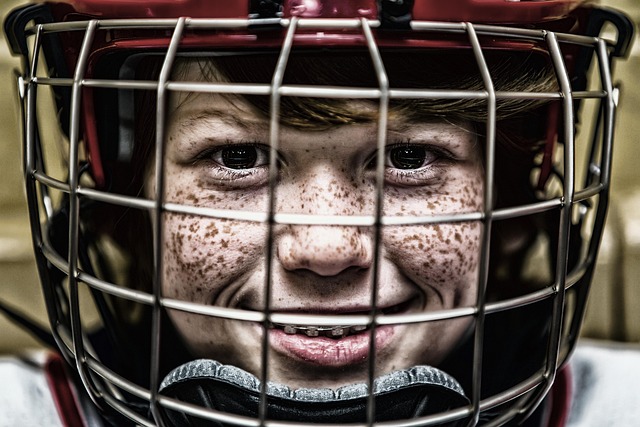
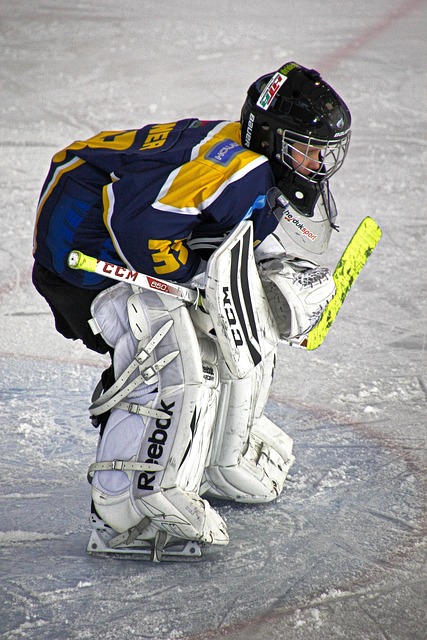
A properly fitted helmet reduces risk during falls and collisions. Beginners should prioritise a secure fit and appropriate face protection. The helmet should sit level, cover the forehead without blocking vision, and remain stable when you shake your head gently.

  • Adjust size so side pressure feels snug, not painful.
  • Chin strap should be firm with minimal slack.
  • Replace after major impacts or visible shell damage.

Skates

Skates are the foundation of all ice skills. A beginner skate should feel supportive around the ankle and stable under the foot. Too large leads to slipping and sore arches; too small causes numb toes and painful pressure points.

  • Heel should stay back when you bend your knees.
  • Lace snugly from toes to ankle for support.
  • Dry blades after use to prevent rust.

Gloves

Gloves protect fingers and wrists and help maintain grip on the stick. They should feel secure at the wrist while still allowing you to open and close your hand comfortably. Overly stiff gloves can make beginners tense.

  • Check finger length so tips are not cramped.
  • Dry fully after sessions to reduce odour and bacteria.
  • Choose grip tape that feels comfortable in your palm.

Elbow pads

Elbow pads reduce impact risk and give confidence when learning to fall safely. They should cover the elbow cap and stay centred when you bend the arm. Straps should be snug without cutting into the forearm.

  • Test by bending the arm and simulating a fall position.
  • Keep straps flat to avoid pressure points.
  • For youth, check weekly as sizes change quickly.

Shin guards and socks

Shin guards protect the lower leg and knee area from pucks and sticks. They should cover the kneecap while allowing comfortable bending. Long socks help keep guards in place and reduce rubbing inside skates.

  • Knee should sit in the centre of the knee cup.
  • Ensure ankle coverage without interfering with skate movement.
  • Use clean, dry socks to prevent blisters.

Stick basics

Beginners benefit from a stick that supports control, not maximum power. Length influences posture: too long encourages upright stance, while too short can force a hunched back. A comfortable flex helps with passing and simple shots.

  • Choose a length that allows soft knees and relaxed shoulders.
  • Tape the blade for better puck feel and protection.
  • Focus on technique drills before adding shot intensity.

Care and hygiene routines

Good maintenance extends gear life and keeps sessions more comfortable. These habits are especially helpful when beginners are learning frequent starts and stops that can cause sweating and rubbing.

hockey skates drying after ice session safe equipment care routine

A simple post-session routine reduces odours, protects skate blades, and helps families keep kit organised. The goal is not perfection but consistency after every session.

Dry everything after use

Take gear out of the bag and let it air dry. Gloves and skates hold moisture. A breathable space is usually enough. Avoid sealing damp equipment in a closed bag overnight, as that increases smell and material wear.

Protect skate blades

Wipe blades dry after leaving the ice and use soft blade covers for storage. Hard guards are best for walking around the rink, but do not store skates long-term in hard guards because trapped moisture can cause rust.

Check wear and comfort points

Beginners often notice rubbing at ankles, wrists, and collarbone areas. Look for loose straps, twisted padding, and frayed laces. Small adjustments and proper sizing can prevent blisters and help players stay relaxed during drills.

Use a simple kit checklist

Especially for youth players, forgetting one item can stop a session. A checklist keeps families organised and supports independence. Pair your kit routine with a short warm-up and a consistent drill plan.

Safety note on used gear

Second-hand equipment can be a practical option for growing players, but inspect it carefully. Do not use helmets with cracks, missing padding, or damaged straps. When in doubt, ask a qualified coach or a specialist retailer to check fit and condition.