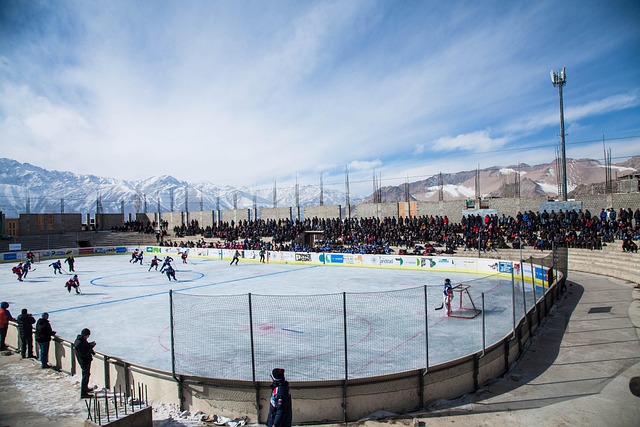
Today’s starter checklist
A simple plan for your first sessions, built around balance, safe stops, and basic puck control.
- Skates fitted correctly, laces snug, ankles supported.
- Helmet secure, cage/visor aligned, chin strap fastened.
- Warm-up off ice: ankles, knees, hips, shoulders.
- Stick length check and relaxed grip for better control.
What we do
A practical learning hub for first-time skaters and new hockey players.
CloverDaily provides beginner-friendly hockey education you can use immediately at the rink. The platform brings together essential ice hockey basics, skating technique guidance, equipment explanations, and simple drills that build confidence without rushing progress. Our aim is to help newcomers understand the game, move safely on the ice, and practice core skills such as starts, stops, turns, puck handling, and basic passing.
We are inspired by the practical side of hockey culture: training accessories, smart practice habits, and the small details that make learning smoother. Instead of focusing on elite performance claims, we focus on solid foundations, good decision-making, and a supportive community mindset. Whether you are a parent helping a young player, an adult joining a recreational team, or a beginner learning to skate, you can follow structured learning paths and use clear checklists to stay consistent.
Content is written in plain English with safety and inclusion in mind. We highlight what to practice, how to set up a short session, and how to choose equipment that fits and protects. The result is a trustworthy, educational resource that supports an active lifestyle and positive rink etiquette for Irish hockey communities.
Features and services
Focused modules designed to make your first months on the ice feel organised.
Beginner hockey roadmap
A structured sequence that explains positions, rules, basic tactics, and rink communication. Learn what matters first so early sessions feel clear and enjoyable.
Skating fundamentals
Balance, knee bend, edges, stops, and safe turns explained with simple cues. Includes off-ice mobility ideas that support stability and confidence.
Drills and routines
Short practice plans for small groups and solo sessions. Focus on movement quality, stick handling basics, passing form, and simple progression.
Equipment explained
Understand what each piece of protective gear does, how to check fit, and how to care for skates and gloves. Clear guidance reduces guesswork.
How it works
A simple learning flow that helps you progress safely and keep practice sessions consistent.
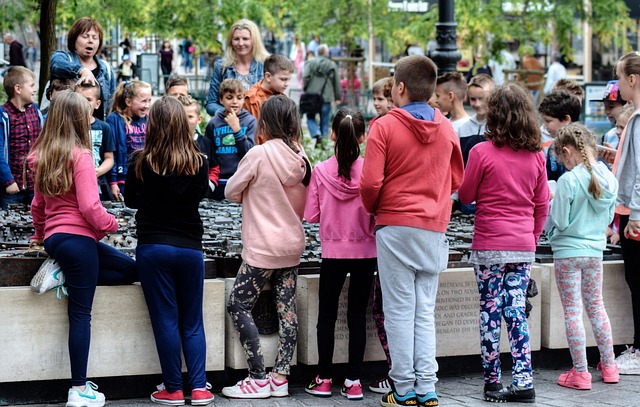
New to hockey can feel overwhelming. We organise information into small, practical steps that fit typical public skate sessions, beginner classes, or recreational team practices.
-
1
Pick a learning path
Start with hockey basics or focus on skating first. Each path explains key terms, safety expectations, and what “good form” looks like for beginners.
-
2
Practice with short sessions
Use 15 to 30 minute routines that focus on one or two skills. This keeps practice calm and repeatable, especially for youth players learning balance and stops.
-
3
Check gear and safety habits
Learn how equipment should fit, how to avoid common discomfort points, and how to build safe routines such as warm-ups, hydration, and controlled falls.
-
4
Join community learning sessions
Explore workshop ideas for clubs, schools, and small groups. If you register interest through our community page, we review your note and respond with suitable session formats and preparation tips.
Beginner-friendly by design
Our focus is skill understanding and safe progression. We do not present unrealistic performance promises. Learning speed varies by age, comfort, and ice time availability.
FAQ
Straight answers for beginners and families starting hockey in Ireland.
Do I need to be able to skate before trying ice hockey?
What are the first skating skills I should prioritise?
How do I choose equipment that fits and protects properly?
Are the drills suitable for youth and complete beginners?
Does CloverDaily run in-person workshops?
Disclaimer
The information on this website is for informational and educational purposes only. It is not a substitute for professional coaching, medical advice, or guidance from qualified sports safety personnel. Ice sports involve inherent risks, including falls and collisions. Always follow rink rules, wear appropriate protective equipment, and use age-appropriate supervision. If you have concerns about injury, pain, or readiness for sport, consult a qualified healthcare professional before training.
Safety reminders
- Warm up before skating and cool down after.
- Progress gradually and stop if pain occurs.
- Use protective gear that fits correctly.
- Respect other skaters and rink direction.